


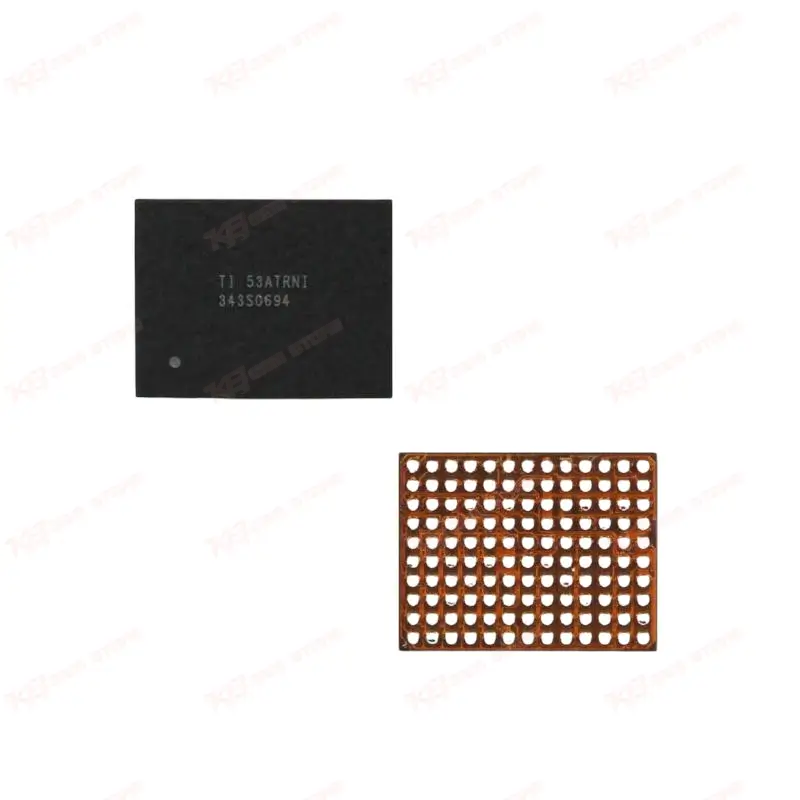
343S0694 U2402 Touch IC for iPhone 6 / 6 Plus – Touch Controller
343S0694 U2402 Touch IC for iPhone 6 / 6 Plus – Touch Controller
Regular price
Rs.500.00 PKR
Regular price
Sale price
Rs.500.00 PKR
Shipping calculated at checkout.
Quantity
Couldn't load pickup availability
The 343S0694 Touch IC, also known as the Meson controller, sits at position U2402 on the iPhone 6 and iPhone 6 Plus logic board. This 130-pin IC manages the touch screen and digitizer function, and it's the part you replace when a phone shows a dead touch panel, unresponsive display, or partial touch failure after a drop or liquid damage. Built for board-level repair work, this chip requires proper reballing and micro soldering skills to install correctly. A reliable stock item for any Pakistani GSM repair bench handling iPhone 6 series touch faults.
SKU:MST-IC-22
- Safe & Secure Payment
- Fast Delivery
- WhatsApp Support


Description
FAQ
What is the product name?
The product name is 343S0694 Touch IC U2402 for iPhone 6 and 6 Plus.
What is the model of this IC?
The model designation is 343S0694, positioned at U2402 on the logic board.
What is this IC used for?
It controls touch screen and digitizer input on the iPhone 6 and iPhone 6 Plus.
Which devices are compatible with this IC?
This IC is compatible with iPhone 6 and iPhone 6 Plus logic boards.
Who should use this product?
This product is suitable for mobile repair technicians, repair shops, service centers, and professional board-level repair businesses.
Does replacing this IC fix a dead touch screen?
Yes, if diagnosis confirms the touch IC has failed rather than the digitizer flex or connector.
How many pins does the 343S0694 IC have?
It has a 130-pin package matching the original Meson touch controller footprint.
Is soldering equipment required to install this IC?
Yes, this is a board-level component requiring hot air rework, flux, and precise reballing skills for proper installation.