


EMMC/eMCP Socket BGA221 / BGA254
EMMC/eMCP Socket BGA221 / BGA254
Regular price
Rs.13,500.00 PKR
Regular price
Sale price
Rs.13,500.00 PKR
Shipping calculated at checkout.
Quantity
Couldn't load pickup availability
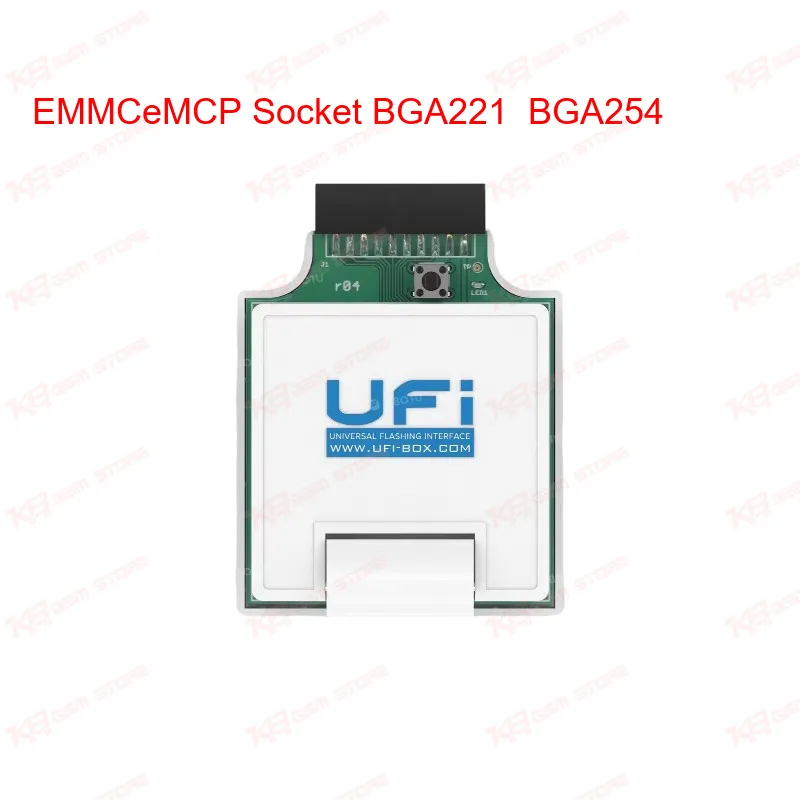
This eMMC/eMCP socket adapter gives you solder-free chip access for BGA221 and BGA254 package types when working with UFI-Box. Instead of reballing a dead chip onto a board or risking pad damage during ISP work, you seat the chip directly into the socket and let UFI-Box handle reading, repair, and firmware operations. It works across Samsung, SK Hynix, Toshiba, Kingston, and Micron eMMC chips, covering most dead-phone and boot loop cases you see on the bench. Built for technicians who run eMMC recovery jobs regularly, this adapter saves rework time and keeps your workflow moving without extra soldering steps on every job.
SKU:MST-SOCKET-1
⚖️ Weight: 0.9 kg
- Safe & Secure Payment
- Fast Delivery
- WhatsApp Support



Description
FAQ
What is the product name?
The product name is eMMC/eMCP Socket BGA221/BGA254 Test Socket Adapter.
What is the brand of this product?
This is an unbranded adapter designed specifically for use with UFI-Box.
What is this product used for?
This product is used for solder-free eMMC/eMCP chip reading, repair, and firmware operations on dead or malfunctioning phones.
Which devices are compatible with this product?
This product is compatible with BGA221 and BGA254 eMMC/eMCP chips from Samsung, SK Hynix, Toshiba, Kingston, and Micron.
Who should use this product?
This product is suitable for mobile repair technicians, repair shops, service centers, and professional eMMC/UFS repair specialists.
Does this socket work as a standalone tool?
No, this socket requires UFI-Box to operate since it only provides the physical connection between the chip and the box's reading circuitry.
Can this socket be used when ISP test points on the board are damaged?
Yes, since the chip is removed from the board and seated directly in the socket, it provides a stable connection even when on-board ISP pads are burnt or corroded.