


Hi6555 V110 Power IC
Hi6555 V110 Power IC
Regular price
Rs.200.00 PKR
Regular price
Sale price
Rs.200.00 PKR
Shipping calculated at checkout.
Quantity
Couldn't load pickup availability
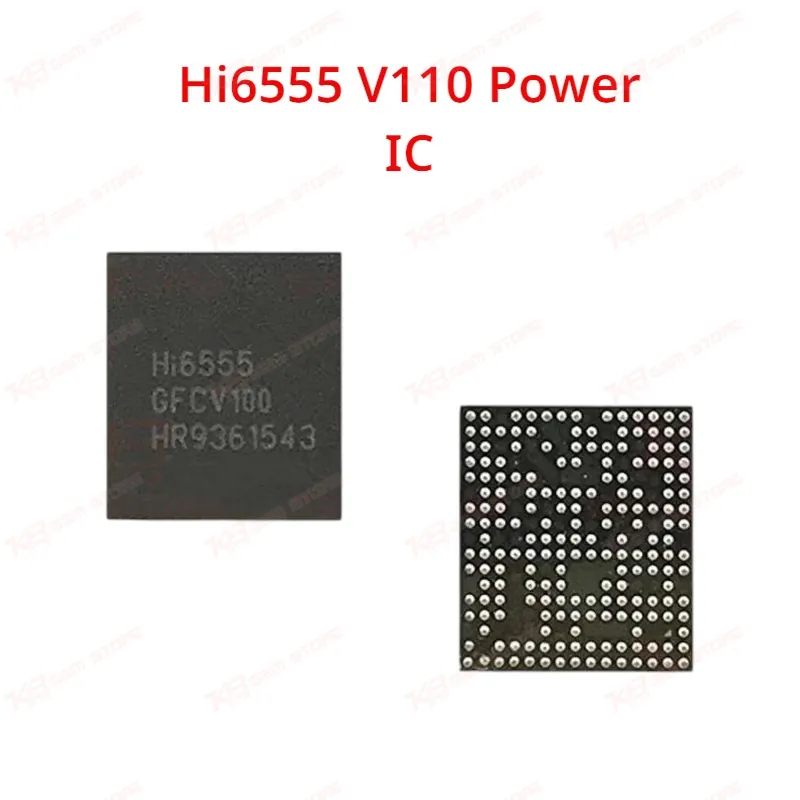
The Hi6555 V110 Power IC (marked HI6555GFCV110) is the power management IC used in the Huawei Honor 6X and GR5 Mini. It handles voltage regulation and power distribution across the board, so when a phone shows dead symptoms, charging issues, or won't boot past the logo, this chip is one of the first suspects. You get a direct replacement for board-level repair, not a generic substitute. Technicians use it during dead-board diagnosis, reballing jobs, and power-line troubleshooting where the original PM chip has failed or shorted. Order it to restock your bench or complete a repair job the same day.
⚖️ Weight: 0.01 kg
SKU:MST-IC-234
- Safe & Secure Payment
- Fast Delivery
- WhatsApp Support


Description
FAQ
What is the product name?
The product name is Hi6555 V110 Power IC.
What is the brand of this product?
The brand of this product is Huawei.
What is the model of this product?
The model of this product is Hi6555 V110 (HI6555GFCV110).
What is this product used for?
This product is used for board-level power management repair, replacing a faulty or shorted PM chip on the affected device.
Which devices are compatible with this product?
This product is compatible with the Huawei Honor 6X (Glory 6X) and Huawei GR5 Mini.
Who should use this product?
This product is suitable for mobile repair technicians, repair shops, service centers, and professional users.
Does this IC require reballing during installation?
Yes, the Hi6555 V110 is a BGA-package chip, so it needs hot air removal and reballing rather than a direct solder-in replacement.
Can this chip fix a phone stuck on boot loop or hang on logo?
It can resolve boot loop or hang-on-logo issues caused by power sequencing failure at the PMIC, but the fault should be confirmed with power draw testing before replacement, since the same symptoms can come from other board faults.