


Light Coil Small
Light Coil Small
Regular price
Rs.40.00 PKR
Regular price
Sale price
Rs.40.00 PKR
Shipping calculated at checkout.
Quantity
Couldn't load pickup availability
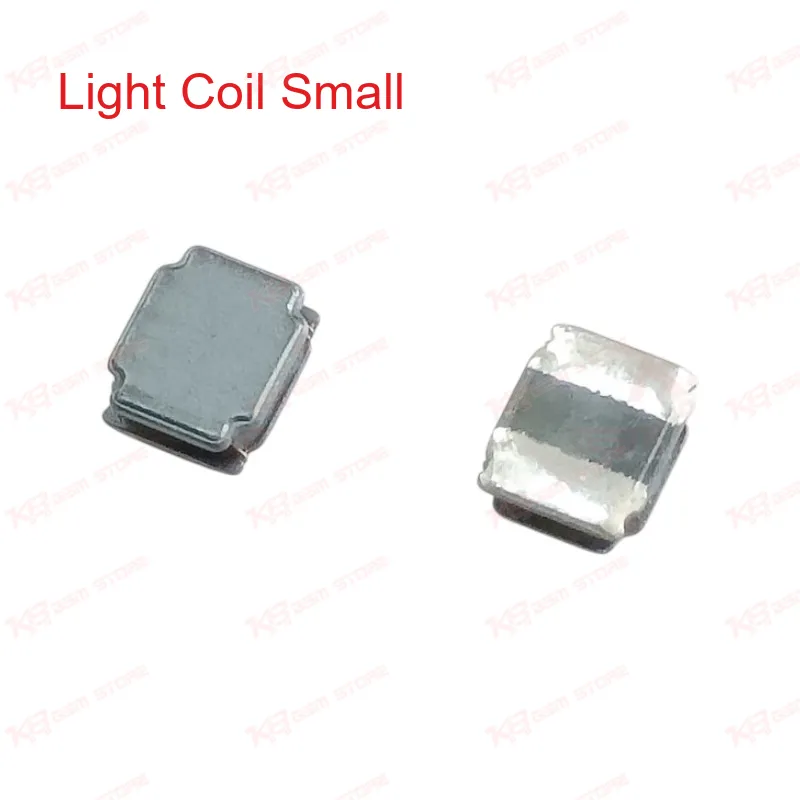
The Light Coil Small is a compact boost inductor used in the backlight circuit of Android mobile phones. When a device shows a dead backlight, dim display, or hang on logo with no light, this coil is one of the first components a technician checks and replaces. It works with the standard 6-pin analog light IC layout found on Xiaomi, Redmi, Oppo, Vivo, Huawei, Infinix, Tecno, and other Android boards. Small in size but critical in function, it stores and releases energy to step up the voltage that lights the display's LED strip. Every mobile repair bench dealing with light section faults needs this coil in stock.
⚖️ Weight: 0.01 kg
SKU:MST-IC-372
- Safe & Secure Payment
- Fast Delivery
- WhatsApp Support


Description
FAQ
What is the product name?
The product name is Light Coil Small.
What is the brand of this product?
This is a generic, universal repair component with no single branded manufacturer identifier verified.
What is the model of this product?
No specific model number is verified; it is identified by size variant as the "small" light coil.
What is this product used for?
This product is used to repair the backlight boost circuit on Android phone motherboards, fixing dead backlight, dim screen, and no-light-on-logo faults.
Which devices are compatible with this product?
This coil fits the universal 6-pin analog light control IC backlight circuit used on many Android boards including Xiaomi, Redmi, Oppo, Vivo, Huawei, Infinix, and Tecno.
Who should use this product?
This product is suitable for mobile repair technicians, repair shops, service centers, and professional users.
Is this the same coil used for a dead backlight after a light IC change?
Yes, when the light IC and diode test fine but the backlight still does not come on, this small boost coil is the next component technicians check and replace.
What is the difference between this small coil and the bigger coil variant?
The small coil has a compact footprint sized for tighter backlight circuits, while the bigger coil variant is used on boards with a larger light section layout; the two are not interchangeable without matching the original footprint.