


Martview Micro USB to Type-C Adapter
Martview Micro USB to Type-C Adapter
Regular price
Rs.50.00 PKR
Regular price
Sale price
Rs.50.00 PKR
Shipping calculated at checkout.
Quantity
Couldn't load pickup availability
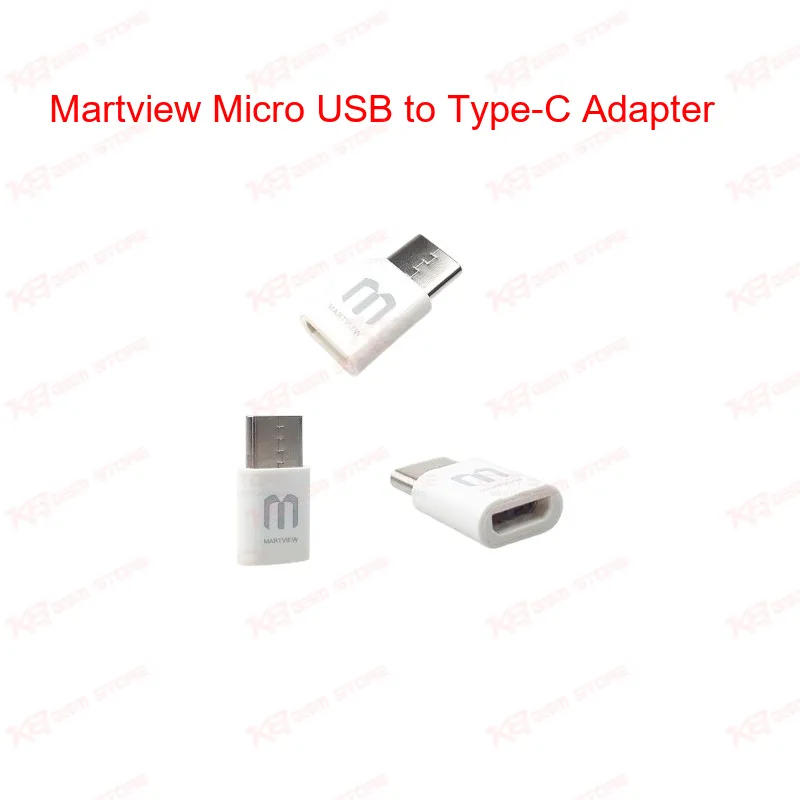
The Martview Micro USB to Type-C Adapter connects Type-C phones to Micro-USB flashing and boot cables, giving your repair bench a bridge between legacy tools and new-generation devices. It works with All Boot Cable setups for Qualcomm EDL mode, letting you flash a dead phone without testpoint. Compact, passive, and plug-and-play, this adapter saves you from buying separate Type-C cables for every dongle or box. If your Qualcomm boot cable only has a Micro-USB head, this adapter makes it Type-C ready in seconds. A small accessory that solves a daily workshop problem for technicians handling mixed-port devices.
SKU:MST-SOLDERING-ACCESSORIES-3
⚖️ Weight: 0.01 kg
- Safe & Secure Payment
- Fast Delivery
- WhatsApp Support


Description
FAQ
What is the product name?
The product name is Martview Micro USB to Type-C Adapter.
What is the brand of this product?
The brand of this product is Martview.
What is this product used for?
This product is used to connect Type-C phones to Micro-USB flashing cables and boot tools, mainly for Qualcomm EDL boot work.
Which devices are compatible with this product?
This product is compatible with Samsung Galaxy S8 to S9+ series, Google Pixel and Pixel 2 series, Nexus 5X/6P, LG V20/G5/G6, and Lumia 950 series, along with other Type-C phones and tablets.
Who should use this product?
This product is suitable for mobile repair technicians, repair shops, service centers, and professional users handling Qualcomm boot and flash work.
Does this adapter support Qualcomm EDL (9008) mode on Type-C phones?
Yes, when paired with a Micro-USB boot cable such as the All Boot Cable, it passes the data lines needed for Qualcomm EDL boot on Type-C devices.
Can this adapter work with a box or dongle that only has a Micro-USB cable?
Yes, as long as the box uses a passive data connection, this adapter lets you connect it to a Type-C phone without needing a separate Type-C cable.