


Brand:
MECHANIC
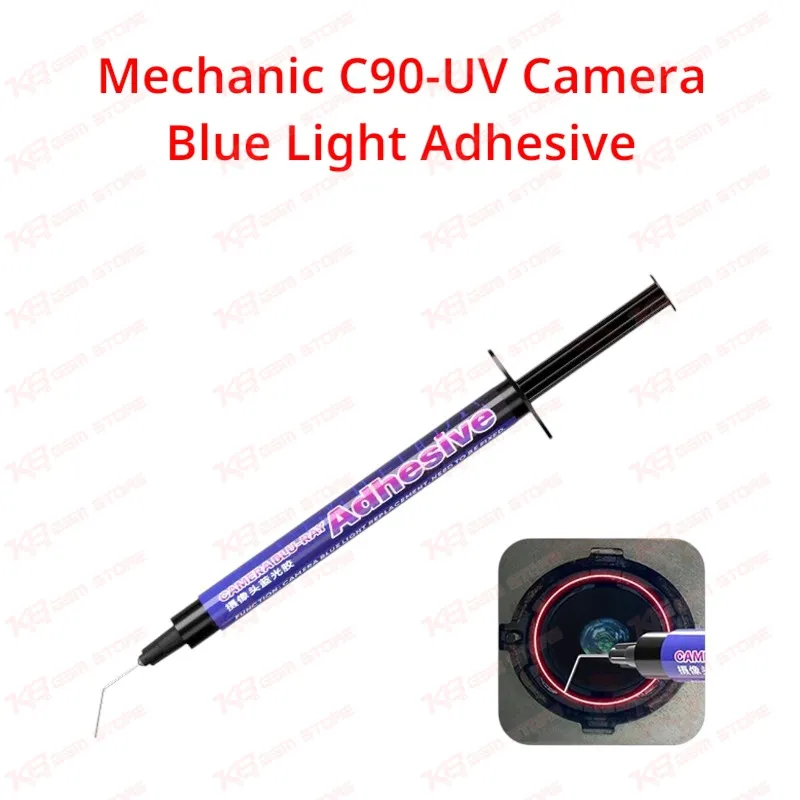
Mechanic C90-UV Camera Blue Light Adhesive
Mechanic C90-UV Camera Blue Light Adhesive
Regular price
Rs.699.00 PKR
Regular price
Sale price
Rs.699.00 PKR
Shipping calculated at checkout.
Quantity
Couldn't load pickup availability
The Mechanic C90-UV Camera Blue Light Adhesive gives you a strong, reliable bond when you fix the blue light layer during a phone camera replacement. This thick UV curing glue stays workable while you align the part under the microscope, then hardens into a reinforcing seal once you hit it with a UV lamp. Use it on mobile phone, iPad, and tablet camera jobs, including Face ID and FPC lens fixing work. Its thicker consistency keeps the glue out of the lens path and holds the camera package firmly after assembly. Stock it at your repair bench and stop camera comebacks.
SKU:MST-SOLDERING-ACCESSORIES-816
⚖️ Weight: 0.01 kg
- Safe & Secure Payment
- Fast Delivery
- WhatsApp Support


Description
FAQ
What is the product name?
The product name is Mechanic C90-UV Camera Blue Light Adhesive.
What is the brand of this product?
The brand of this product is Mechanic.
What is the model of this product?
The model of this product is C90-UV.
What is this product used for?
This product is used for fixing and encapsulating the blue light section of a camera module during camera replacement, as well as Face ID and FPC lens fixing.
Which devices are compatible with this product?
This product is compatible with mobile phone, iPad, and tablet camera modules. It is a universal adhesive, not tied to a specific model.
Who should use this product?
This product is suitable for mobile repair technicians, repair shops, service centers, and professional users.
Does the Mechanic C90-UV need a UV lamp to cure?
Yes. The C90-UV only hardens under UV illumination, so you need a UV curing lamp to set it after aligning the part.
What is the difference between Mechanic C90-UV and C91-UV?
The C90-UV has a thicker consistency for fixing and encapsulating the blue light section during camera replacement. The C91-UV is thinner and made for CMOS filter replacement, where the glue needs to flow into tighter gaps.