


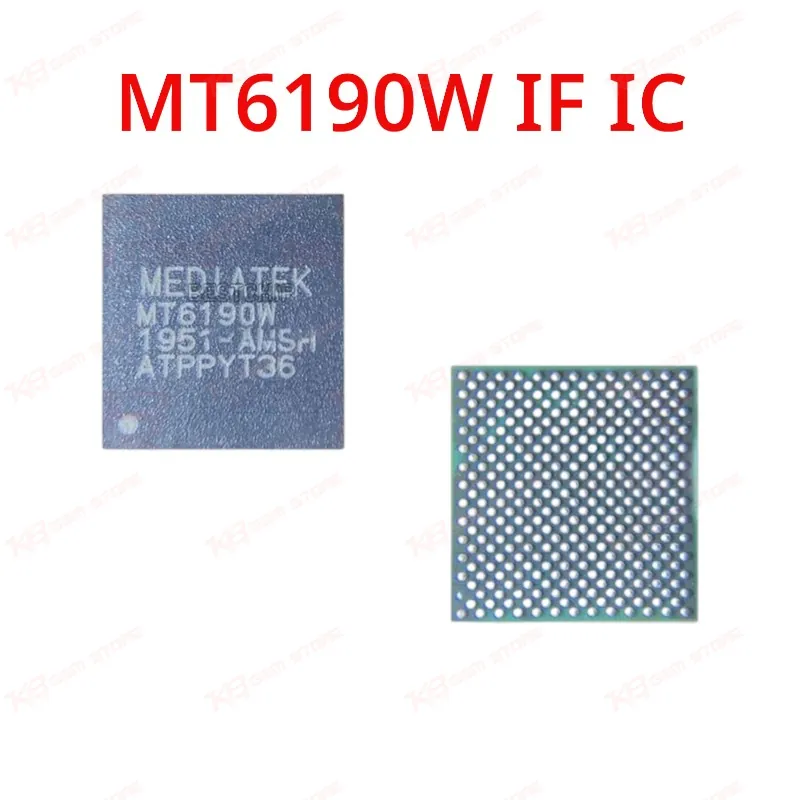
MT6190W IF IC
MT6190W IF IC
Regular price
Rs.250.00 PKR
Regular price
Sale price
Rs.250.00 PKR
Shipping calculated at checkout.
Quantity
Couldn't load pickup availability
The MT6190W IF IC is a MediaTek intermediate frequency chip that sits in the signal-processing path on MediaTek chipset mobile boards. When you're chasing a network issue, weak signal, or no-signal complaint on a MediaTek-based board and you've already ruled out software, this IC belongs on your checklist. You get a genuine BGA-packaged part built for direct board-level replacement, so you can act on your diagnostic findings instead of waiting on an imported donor board. This part suits GSM technicians and repair shops working through IF-stage signal faults on MediaTek devices where the original IC has failed, corroded, or lifted from the board.
⚖️ Weight: 0.01 kg
SKU:MST-IC-220
- Safe & Secure Payment
- Fast Delivery
- WhatsApp Support


Description
FAQ
What is the product name?
The product name is MT6190W IF IC.
What is the brand of this product?
The brand of this product is MediaTek.
What is the model of this product?
The model is MT6190W.
What is this product used for?
This IC is used to repair network, signal, and no-service faults on MediaTek-based mobile phone boards at the hardware level.
Which devices are compatible with this product?
This IC is used across MediaTek chipset-based boards; confirm your exact device model against a board schematic or pinout reference before ordering.
Who should use this product?
This product suits mobile repair technicians, repair shops, service centers, and professional board-level repair businesses.
Does the MT6190W IF IC need reballing before installation?
Yes, as a BGA component it needs proper reballing and correct ball height before mounting to avoid a weak or intermittent connection after reflow.
What symptoms point to a bad MT6190W IF IC rather than a software fault?
A network issue, weak signal, or no-service complaint that persists after a fresh flash, SIM swap, and antenna connector check typically points to the IF IC itself.