


MT6308P Power IC
MT6308P Power IC
Regular price
Rs.350.00 PKR
Regular price
Sale price
Rs.350.00 PKR
Shipping calculated at checkout.
Quantity
Couldn't load pickup availability
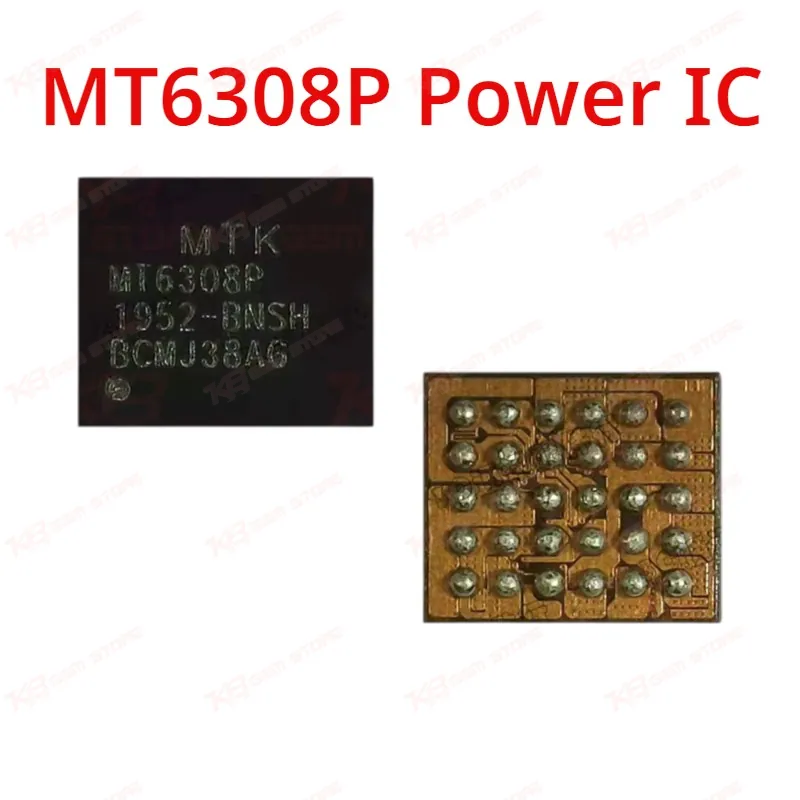
The MT6308P is a MediaTek power management IC (PMIC) built for MediaTek-based smartphones and portable devices. It handles voltage regulation, battery charging control, and load distribution on the motherboard through integrated buck converters and LDOs. Technicians use this IC to fix dead phone, no power, unstable charging, and overheating faults at chip level. Its compact WLCSP package suits slim device boards, and I2C communication keeps it in sync with the host processor. A reliable pick for your repair bench when a power fault traces back to the PMIC.
⚖️ Weight: 0.01 kg
SKU:MST-IC-221
- Safe & Secure Payment
- Fast Delivery
- WhatsApp Support


Description
FAQ
What is the product name?
The product name is MT6308P Power Management IC.
What is the brand of this product?
The brand of this product is MediaTek.
What is this product used for?
This product is used to repair dead phone, no-power, and unstable charging faults caused by a failed power management IC.
Which devices are compatible with this product?
This product is compatible with MediaTek-based smartphones and portable devices that use the MT6308P chipset.
Who should use this product?
This product is suitable for mobile repair technicians, chip-level repair engineers, service centers, and professional repair shops.
What package type does the MT6308P come in, and does that affect reballing difficulty?
The MT6308P uses a WLCSP package, which is compact and requires a fine-pitch stencil and controlled hot air reflow during reballing.
Can a faulty MT6308P cause overheating or unexpected shutdowns instead of a dead phone?
Yes, since the IC handles thermal protection and voltage regulation, a fault here can also cause overheating under load or random shutdowns without a visible power-off symptom.