


Brand:
ONE-STOP
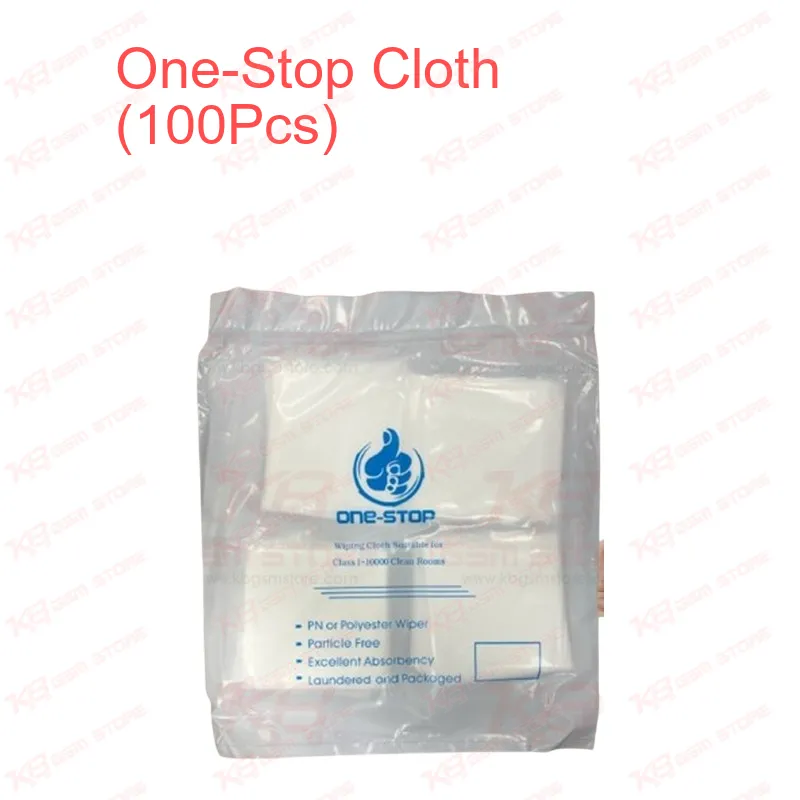
One-Stop Cloth (100Pcs)
One-Stop Cloth (100Pcs)
Regular price
Rs.400.00 PKR
Regular price
Sale price
Rs.400.00 PKR
Shipping calculated at checkout.
Quantity
Couldn't load pickup availability
The One-Stop Cloth (100Pcs) is a lint-free, non-dust cleaning cloth built for the mobile repair bench. Technicians use it to wipe screens, lenses, connectors, and PCB surfaces before soldering or reballing without leaving fiber residue behind. Each pack gives you 100 individual cloths, so you always grab a fresh one instead of reusing a dirty rag that scratches glass or drags dust onto a board. It works dry or lightly dampened with IPA, making it equally useful for LCD cleaning, camera lens wiping, and board prep before flux application. A standard item on every GSM repair table in Pakistan
SKU:MST-SOLDERING-ACCESSORIES-580
⚖️ Weight: 0.2 kg
- Safe & Secure Payment
- Fast Delivery
- WhatsApp Support


Description
FAQ
What is the product name?
The product name is One-Stop Non-Dust Cleaning Cloth (100Pcs).
What is the brand of this product?
The brand of this product is One-Stop.
What is the model of this product?
This is sold as the standard 100-piece pack version.
What is this product used for?
This product is used for cleaning screens, lenses, connectors, and PCB boards during mobile repair work.
Which devices are compatible with this product?
This product is universal and works with any smartphone, tablet, or PCB board regardless of brand or chipset.
Who should use this product?
This product is suitable for mobile repair technicians, repair shops, service centers, and professional users.
Can this cloth be used wet with IPA for flux cleaning?
Yes, the cloth can be lightly dampened with isopropyl alcohol to clean flux residue off boards after soldering.
Does this cloth leave lint or fiber residue on PCB boards?
No, the material is lint-free and designed to avoid leaving fiber strands near ICs or connectors.