


PM8019 OVV Power iC
PM8019 OVV Power iC
Regular price
Rs.400.00 PKR
Regular price
Sale price
Rs.400.00 PKR
Shipping calculated at checkout.
Quantity
Couldn't load pickup availability
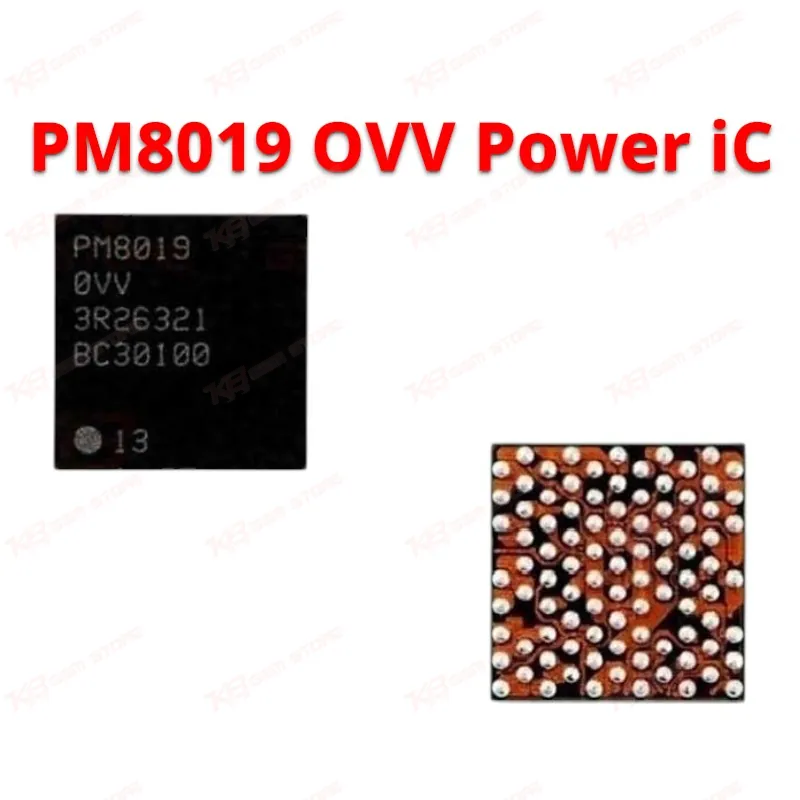
The PM8019 OVV Power iC is a board-level power management IC used by Pakistani GSM technicians to resolve auto-restart, power drop, no charging, fast battery drain, heating, and dead phone symptoms on Samsung, Oppo, Vivo, and Xiaomi Android boards. Built on the Qualcomm PM-series PMIC architecture, this small BGA chip regulates power delivery to key board components and restores stable operation when the original power IC fails. KB GSM Store supplies this IC in 100% original condition, tested and ready for micro-soldering rework on your repair bench.
⚖️ Weight: 0.01 kg
SKU:MST-IC-152
- Safe & Secure Payment
- Fast Delivery
- WhatsApp Support


Description
FAQ
What is the product name?
The product name is PM8019 OVV Power iC.
What is the brand of this product?
This IC is built on Qualcomm's PM-series power management architecture.
What is the model of this product?
The model is PM8019.
What is this product used for?
It regulates power delivery on the mainboard and resolves auto-restart, no charging, heating, and dead phone faults.
Which devices are compatible with this product?
It's compatible with Samsung, Oppo, Vivo, and Xiaomi Android smartphones at the board level.
Who should use this product?
This product suits mobile repair technicians, repair shops, service centers, and professional GSM technicians.
Which chipset family does the PM8019 power IC belong to?
It belongs to Qualcomm's PM-series PMIC family, originally used for board-level power regulation.
Does replacing this IC fix auto-restart and no-charging issues on Android boards?
Yes, technicians replace this IC specifically to resolve auto-restart, no-charging, and heating faults traced to the power rail.