


PM8150B 102 Power ic
PM8150B 102 Power ic
Regular price
Rs.250.00 PKR
Regular price
Sale price
Rs.250.00 PKR
Shipping calculated at checkout.
Quantity
Couldn't load pickup availability
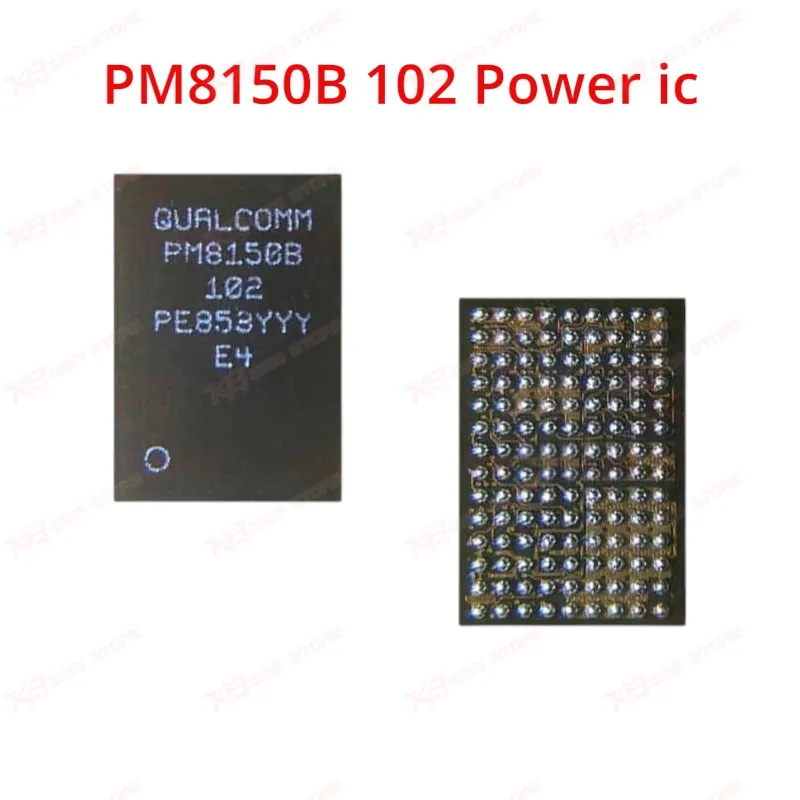
The PM8150B 102 is a genuine Qualcomm power management IC (PMIC) built for Snapdragon 855, 855+, and 860 platform devices. Technicians use it to restore dead phone conditions caused by power rail failure, no-power faults, and boot loop issues on Xiaomi Mi 9, Mi 10, Mi 10 Pro, and Redmi K20 Pro boards. This BGA-package chip handles core voltage regulation and charging control on the motherboard, making it a direct hardware replacement for damaged power ICs. Every unit ships new and untested-on-arrival, ready for reballing and direct heating on your repair bench.
⚖️ Weight: 0.01 kg
SKU:MST-IC-203
- Safe & Secure Payment
- Fast Delivery
- WhatsApp Support


Description
FAQ
What is the product name?
The product name is PM8150B 102 Power IC.
What is the brand of this product?
The brand of this product is Qualcomm.
What is the model of this product?
The model of this product is PM8150B-102.
What is this product used for?
This product is used for power management and charging regulation repair on Snapdragon 855-series mobile boards.
Which devices are compatible with this product?
This product is compatible with Xiaomi Mi 9, Mi 10, Mi 10 Pro, Redmi K20 Pro, and other Snapdragon 855-series devices.
Who should use this product?
This product is suitable for mobile repair technicians, repair shops, service centers, and professional users.
Does this IC fix a dead phone that won't power on at all?
Yes, PM8150B 102 handles core voltage regulation, so a failed unit is a common cause of a completely dead board with no charging response.
Can this chip be reflowed instead of fully replaced?
Reflowing the existing PM8150B 102 sometimes resolves intermittent power faults, but a board with dead after flash symptoms usually needs full IC replacement.