


UFI EMMC Socket (169-FBGA,153-FBGA,162-FBGA,186-FBGA)
UFI EMMC Socket (169-FBGA,153-FBGA,162-FBGA,186-FBGA)
Regular price
Rs.8,500.00 PKR
Regular price
Sale price
Rs.8,500.00 PKR
Shipping calculated at checkout.
Quantity
Couldn't load pickup availability
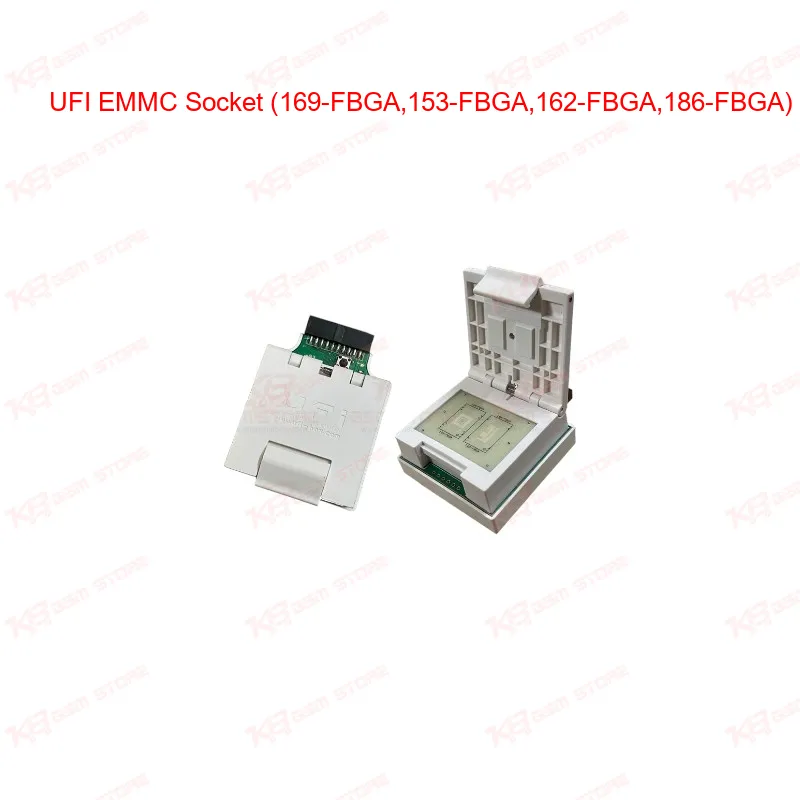
This 2-in-1 eMMC/eMCP test socket adapter works with the UFI Box and supports four BGA footprints — 169-FBGA, 153-FBGA, 162-FBGA, and 186-FBGA. Built with a double-head spring test probe design, it gives you stable, fast transmission when you're pulling data off a dead phone board or testing an eMMC chip before reballing. The replaceable positioning plate lets you seat the IC in seconds, cutting down bench time on every job. It's the socket most GSM technicians reach for when a UFI Box eMMC job comes in and the chip needs testing without soldering it back onto the board first.
SKU:MST-SOCKET-23
⚖️ Weight: 0.1 kg
- Safe & Secure Payment
- Fast Delivery
- WhatsApp Support


Description
FAQ
What is the product name?
The product name is UFI eMMC Socket Adapter 2-in-1 (169/153/162/186-FBGA).
What is the brand of this product?
The brand of this product is UFI.
What is the model of this product?
The model is the 2-in-1 eMMC/eMCP Socket for UFI Box.
What is this product used for?
This product is used for testing, reading, and repairing eMMC/eMCP chips without soldering them onto a board.
Which devices are compatible with this product?
This socket is compatible with eMMC/eMCP chips in 169-FBGA, 153-FBGA, 162-FBGA, and 186-FBGA packages from Samsung, SK Hynix, Toshiba, Kingston, Micron, and similar brands.
Who should use this product?
This product is suitable for mobile repair technicians, repair shops, service centers, and professional GSM technicians.
Which eMMC package sizes does this socket support?
It supports four package types: 169-FBGA, 153-FBGA, 162-FBGA, and 186-FBGA, covering most common chip sizes technicians see on the bench.
Do I need to solder the chip before testing it in this socket?
No, the socket lets you seat the chip directly using the positioning plate and fix frames, so you can test or read data before deciding on a permanent solder or reball.