


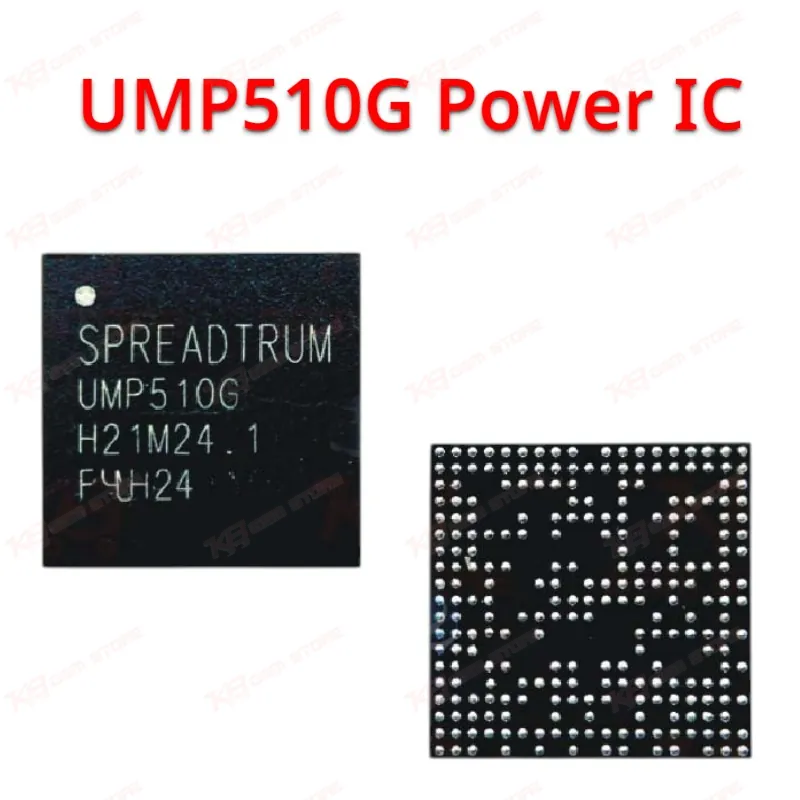
UMP510G Power IC
UMP510G Power IC
Regular price
Rs.250.00 PKR
Regular price
Sale price
Rs.250.00 PKR
Shipping calculated at checkout.
Quantity
Couldn't load pickup availability
The UMP510G Power IC is a replacement power management chip built for Huawei motherboard repair work. When a board comes in dead, stuck on logo, or drawing no current at all, this IC is often the part sitting behind the fault. It handles power sequencing and voltage delivery to the board's core components, so a damaged or corroded UMP510G can take the whole phone down with it. Technicians reach for this chip during dead-after-flash cases, no-power diagnostics, and board-level rework where the original IC shows heat damage, corrosion, or a failed continuity test. Soldered directly to the motherboard using standard BGA rework equipment.
⚖️ Weight: 0.01 kg
SKU:MST-IC-271
- Safe & Secure Payment
- Fast Delivery
- WhatsApp Support


Description
FAQ
What is the product name?
The product name is UMP510G Power IC.
What is the brand of this product?
This is a brand-new compatible replacement IC, not an OEM-branded part.
What is the model of this product?
The model is UMP510G.
What is this product used for?
It's used to replace a faulty power management IC on Huawei motherboards during dead phone and no-power repairs.
Which devices are compatible with this product?
It's compatible with Huawei phones that use this IC in the power management section; confirm exact model fitment against your board's schematic or the original IC marking.
Who should use this product?
Mobile repair technicians, GSM software and hardware technicians, and repair shops handling Huawei board-level work.
Does the UMP510G IC fix a dead phone with no power at all?
Yes, when the fault is isolated to the power IC through continuity testing rather than the charging port, battery connector, or PMIC feed lines.
Can the UMP510G be replaced without a full BGA rework station?
It's designed for standard BGA rework equipment — hot air station, stencil, and flux — so a proper rework setup is needed for a clean reflow and reliable joint.