


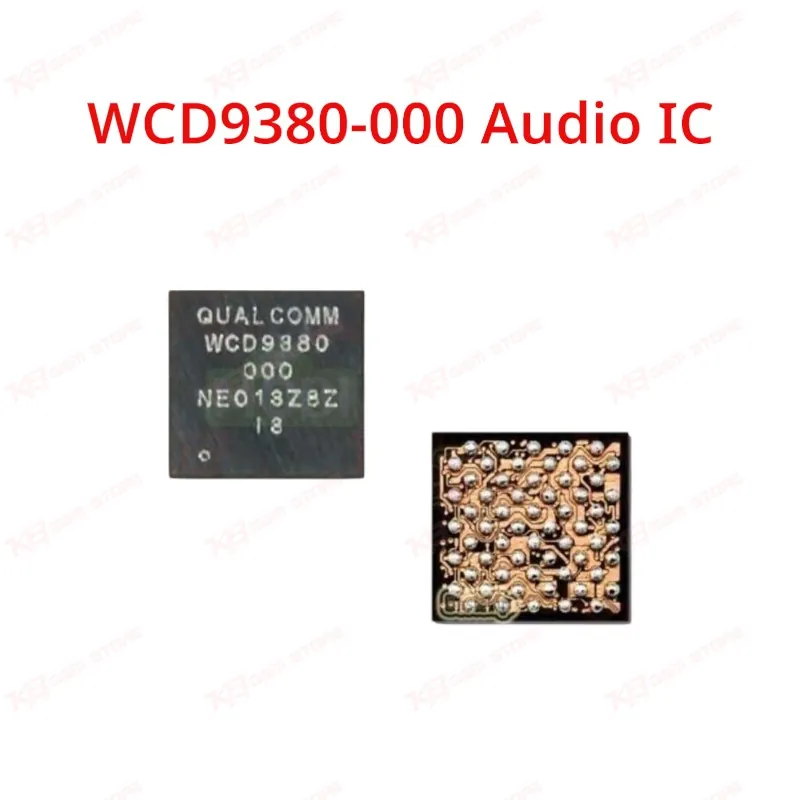
WCD9380-000 Audio IC
WCD9380-000 Audio IC
Regular price
Rs.450.00 PKR
Regular price
Sale price
Rs.450.00 PKR
Shipping calculated at checkout.
Quantity
Couldn't load pickup availability
The WCD9380-000 is a Qualcomm Aqstic audio codec IC used on Xiaomi Redmi K30 and Mi 10 series motherboards to manage speaker output, microphone input, and headphone audio processing. When a board loses sound, mic pickup fails, or audio comes out distorted after a drop or liquid damage, this IC is a common root cause. You get a direct replacement part sized for BGA rework on your bench, without guessing at compatibility from the phone model alone — always confirm against the board NOMENCLATURE before you order or reflow. Suited for technicians handling audio faults, dead mic complaints, and no-sound repairs on Snapdragon-based Xiaomi boards.
⚖️ Weight: 0.01 kg
SKU:MST-IC-248
- Safe & Secure Payment
- Fast Delivery
- WhatsApp Support


Description
FAQ
What is the product name?
The product name is WCD9380-000 Audio IC.
What is the brand of this product?
The brand of this product is Qualcomm.
What is the model of this product?
The model of this product is WCD9380-000.
What is this product used for?
This product is used to replace a faulty audio codec IC responsible for speaker, microphone, earpiece, and headphone audio processing on the motherboard.
Which devices are compatible with this product?
This product is used on Xiaomi Redmi K30 series and Xiaomi Mi 10 series motherboards — confirm against your board NOMENCLATURE before ordering.
Who should use this product?
This product is suitable for mobile repair technicians, repair shops, service centers, and professional users.
Does replacing this IC fix a dead microphone issue on Redmi K30 boards?
Yes, a dead or non-functioning microphone on Redmi K30 boards is a common symptom of WCD9380 codec failure, and replacing the IC resolves it when the mic flex and connector test fine.
Can a no-sound issue after liquid damage be fixed by changing this IC?
Often yes — liquid damage frequently causes corrosion around the audio IC that knocks out one or two audio channels, and replacing the codec after proper board cleaning resolves the fault in most cases.