


Brand:
MIJING
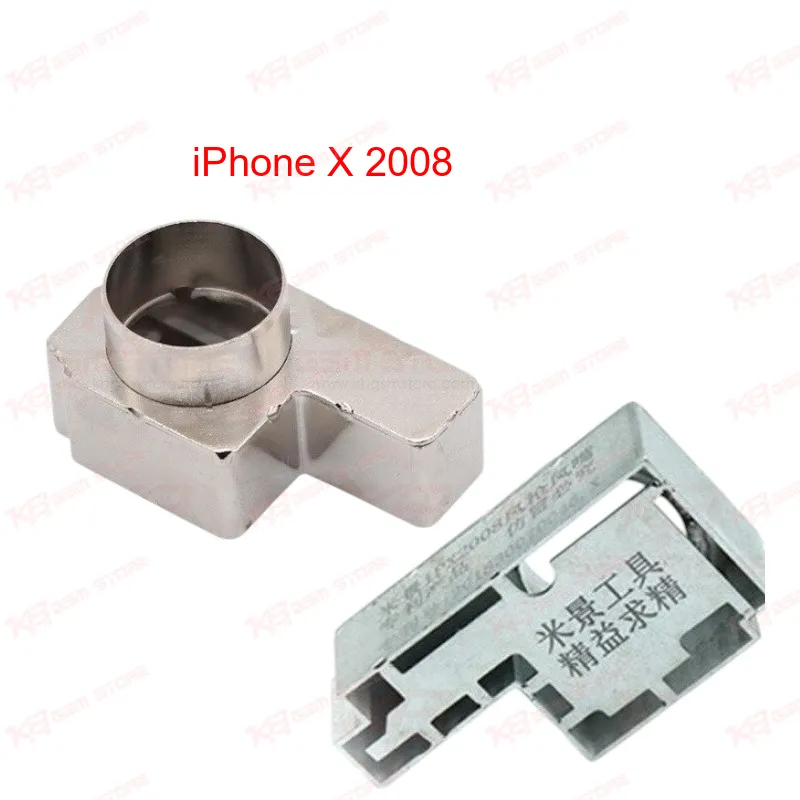
iPhone X Welding Nozzle For QUICK 2008
iPhone X Welding Nozzle For QUICK 2008
Regular price
Rs.800.00 PKR
Regular price
Sale price
Rs.800.00 PKR
Shipping calculated at checkout.
Quantity
Couldn't load pickup availability
This iPhone X welding nozzle is built specifically for QUICK 2008 and QUICK 861DW hot air rework stations. Its shape matches the iPhone X double-layer motherboard exactly, so you get even heat distribution across the board without stressing nearby components. Stainless steel construction gives it long service life on a busy repair bench. Use it to separate the upper and lower logic boards safely while protecting the NAND/PCIe, CPU, WiFi, and baseband ICs from accidental solder bridges. A solid pick for any GSM technician doing iPhone X board-level repair, reballing prep, or dead phone diagnosis.
SKU:MST-SOLDERING-ACCESSORIES-44
⚖️ Weight: 0.9 kg
- Safe & Secure Payment
- Fast Delivery
- WhatsApp Support


Description
FAQ
What is the product name?
The product name is iPhone X Welding Nozzle for QUICK 2008.
What is the brand of this product?
The brand of this product is MiJing.
What is the model of this product?
The model of this product is IPX2008 / IPX861.
What is this product used for?
This product is used for separating the iPhone X double-layer motherboard during hot air rework.
Which devices are compatible with this product?
This product is compatible with the iPhone X motherboard, fitted specifically for use on QUICK 2008 and QUICK 861DW hot air stations.
Who should use this product?
This product is suitable for mobile repair technicians, repair shops, service centers, and professional users.
Does this nozzle protect nearby ICs during board separation?
Yes, its fitted shape directs airflow to the separation area only, protecting the NAND/PCIe, CPU, WiFi, and baseband from imaginary solder joints.
Can this nozzle be used on other hot air stations besides QUICK 2008 or 861DW?
No, it is built specifically for QUICK 2008 and QUICK 861DW stations and is not a universal fit.