


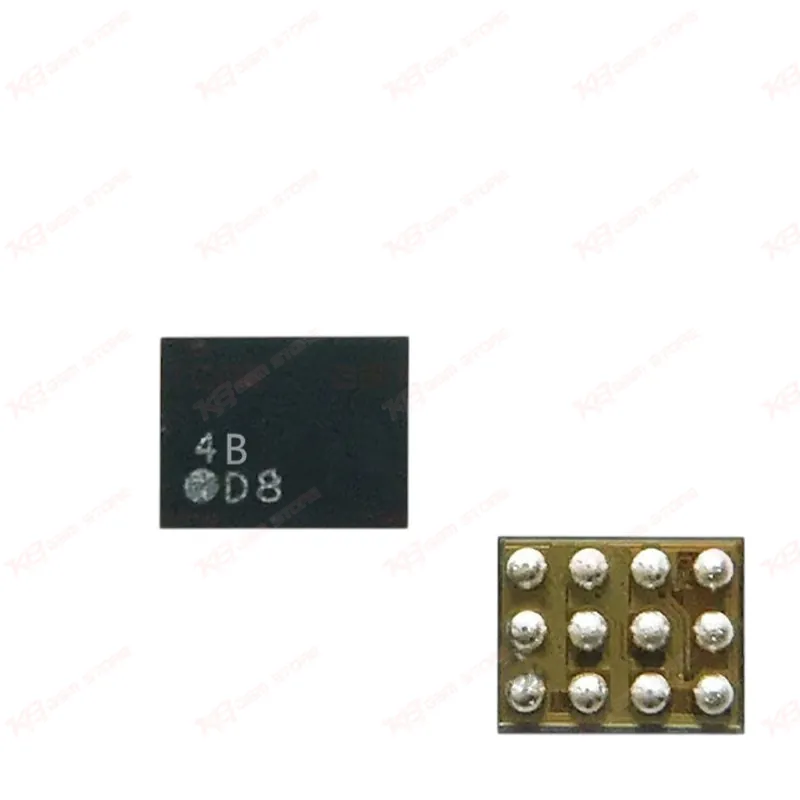
D8 12pin LED Light IC for OPPO A57 R9SK R9plus & Vivo X5SL Y83
D8 12pin LED Light IC for OPPO A57 R9SK R9plus & Vivo X5SL Y83
Regular price
Rs.120.00 PKR
Regular price
Sale price
Rs.120.00 PKR
Shipping calculated at checkout.
Quantity
Couldn't load pickup availability
The D8 12-pin backlight IC (Texas Instruments LM3697YFQR) drives the three-string LED backlight circuit in OPPO A57, R9SK, R9 Plus, and Vivo X5SL, Y83 boards. It regulates boost voltage and current to the display's LED strings through an I2C-controlled interface, giving you stable brightness output at your repair bench. Use it for dead backlight, dim display, flickering screen, or backlight-after-jumper cases where the original driver IC has failed. Genuine 12-DSBGA package, correctly marked D8 for easy identification during reballing or hot air removal.
⚖️ Weight: 0.01 kg
SKU:MST-IC-64
- Safe & Secure Payment
- Fast Delivery
- WhatsApp Support


Description
FAQ
What is the product name?
The product name is D8 12-Pin Backlight LED Driver IC (LM3697YFQR).
What is the brand of this product?
This IC is manufactured by Texas Instruments and marked D8.
What is the model of this product?
The model is LM3697YFQR.
What is this product used for?
It drives and regulates the three-string LED backlight circuit on the phone's display board.
Which devices are compatible with this product?
It is compatible with OPPO A57, R9SK, R9 Plus, and Vivo X5SL, Y83.
Who should use this product?
This IC is suitable for mobile repair technicians, GSM software technicians, and repair shops working on board-level backlight faults.
Does this IC fix a backlight that stays dark but the phone works fine?
Yes, a failed D8 IC commonly causes a dead or dim backlight while the display panel and touch remain functional, since it is the component that boosts voltage to the LED strings.
Can this IC be reballed with a standard hot air station?
Yes, it's a 12-pin DSBGA package that can be reballed with a hot air station and magnification, though tight pad pitch means precise placement is needed to avoid bridging.