


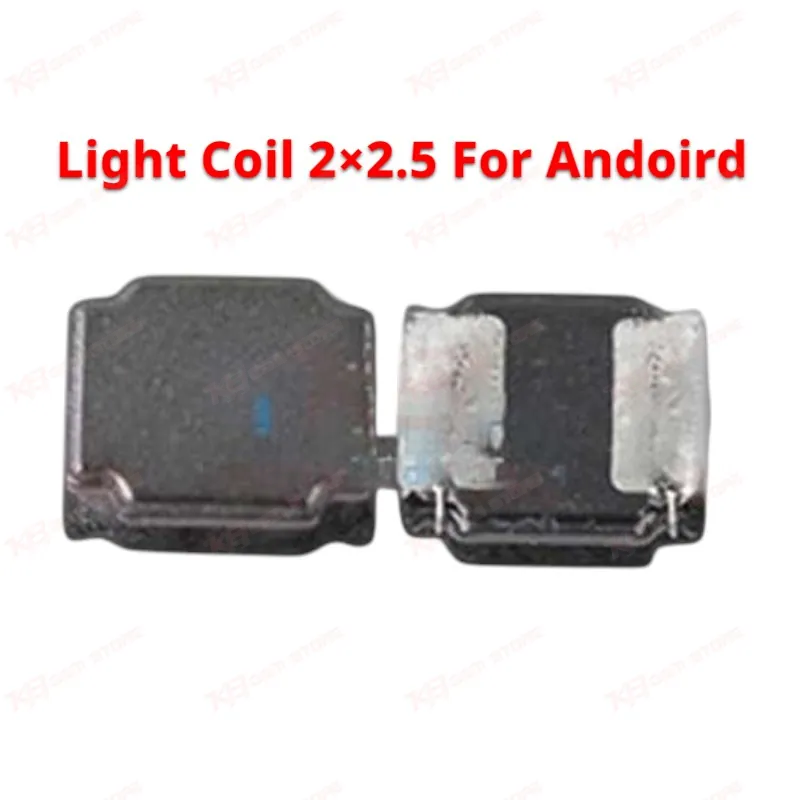
Light Coil 2×2.5 For Andoird 5pcs
Light Coil 2×2.5 For Andoird 5pcs
Regular price
Rs.200.00 PKR
Regular price
Sale price
Rs.200.00 PKR
Shipping calculated at checkout.
Quantity
Couldn't load pickup availability
Light Coil 2x2.5 is a universal backlight boost inductor used in Android smartphone display circuits. Pack of 5 pieces, ideal for repair shops handling multiple backlight jobs. This coil restores backlight function when the display shows a black screen with working touch and sound, or when the backlight becomes dim or flickers. Compatible across most Android brands using the standard 2x2.5mm coil footprint, including Samsung, Huawei, Xiaomi, Oppo, Vivo, Tecno, and Infinix boards. A basic but essential stock item for any GSM repair bench dealing with display and backlight faults.
⚖️ Weight: 0.01 kg
SKU:MST-IC-167
- Safe & Secure Payment
- Fast Delivery
- WhatsApp Support


Description
FAQ
What is the product name?
The product name is Light Coil 2x2.5 For Android.
What is the brand of this product?
This is a generic, universal-fit mobile repair component not tied to a specific OEM brand.
What is the package quantity?
This listing includes 5 pieces of the Light Coil 2x2.5.
What is this product used for?
It is used to repair the backlight circuit on Android phone boards, restoring display backlight function.
Which devices are compatible with this product?
It fits Android boards using the standard 2x2.5mm coil footprint, including Samsung, Huawei, Xiaomi, Oppo, Vivo, Tecno, and Infinix devices.
Who should use this product?
This product is suitable for mobile repair technicians, repair shops, service centers, and professional users.
Does this coil fix a black screen with sound issue?
Yes, when the fault is a damaged backlight boost coil, replacing it restores backlight output without needing a full display swap.
How do I confirm the coil is faulty before replacing it?
Check continuity across the coil terminals with a multimeter and inspect under a microscope for scorch marks or a cracked body; an open reading or visible damage confirms the fault.