


MT6186W Power IC
MT6186W Power IC
Regular price
Rs.250.00 PKR
Regular price
Sale price
Rs.250.00 PKR
Shipping calculated at checkout.
Quantity
Couldn't load pickup availability
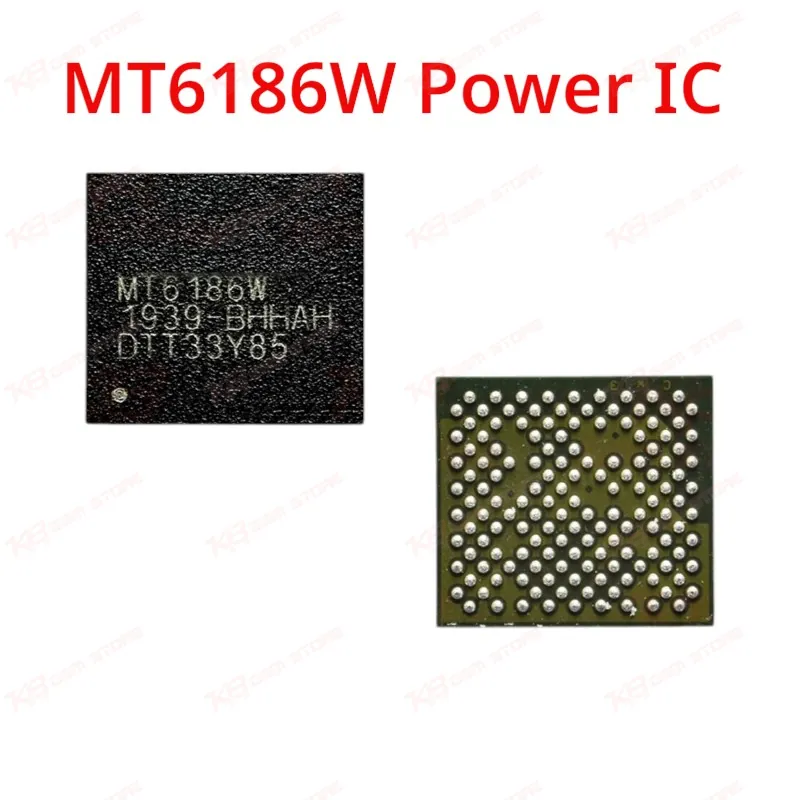
The MT6186W Power IC is a MediaTek power management chip built for the Redmi Note 8, Redmi K20, and Redmi K30 board family. Technicians pull this IC when a phone shows a dead phone symptom, won't take charge, or hangs on the boot logo after a power fault. You get a direct replacement part for board-level power repair — no guesswork, no compatibility confusion. Every unit ships ready for reballing and mounting on your rework station, so you move from diagnosis to fix without hunting for a matching chip. Keep one on your bench for fast turnaround on common Redmi power faults.
⚖️ Weight: 0.01 kg
SKU:MST-IC-232
- Safe & Secure Payment
- Fast Delivery
- WhatsApp Support


Description
FAQ
What is the product name?
The product name is MT6186W Power IC.
What is the brand of this product?
The brand of this product is MediaTek.
What is the model of this product?
The model of this product is MT6186W.
What is this product used for?
This product is used for diagnosing and repairing dead phone and no-charging faults caused by a failed power IC.
Which devices are compatible with this product?
This product is compatible with Redmi Note 8, Redmi K20, and Redmi K30.
Who should use this product?
This product is suitable for mobile repair technicians, repair shops, service centers, and professional users.
Does this IC need reballing before mounting?
Yes, the MT6186W comes as a bare BGA chip and needs reballing with a matching stencil before mounting on the board.
Can this power IC fix a hang-on-logo issue on Redmi Note 8?
Yes, when the hang-on-logo issue is caused by a power rail fault rather than a software fault, replacing the MT6186W resolves it.