


MT6360RP Power IC
MT6360RP Power IC
Regular price
Rs.350.00 PKR
Regular price
Sale price
Rs.350.00 PKR
Shipping calculated at checkout.
Quantity
Couldn't load pickup availability
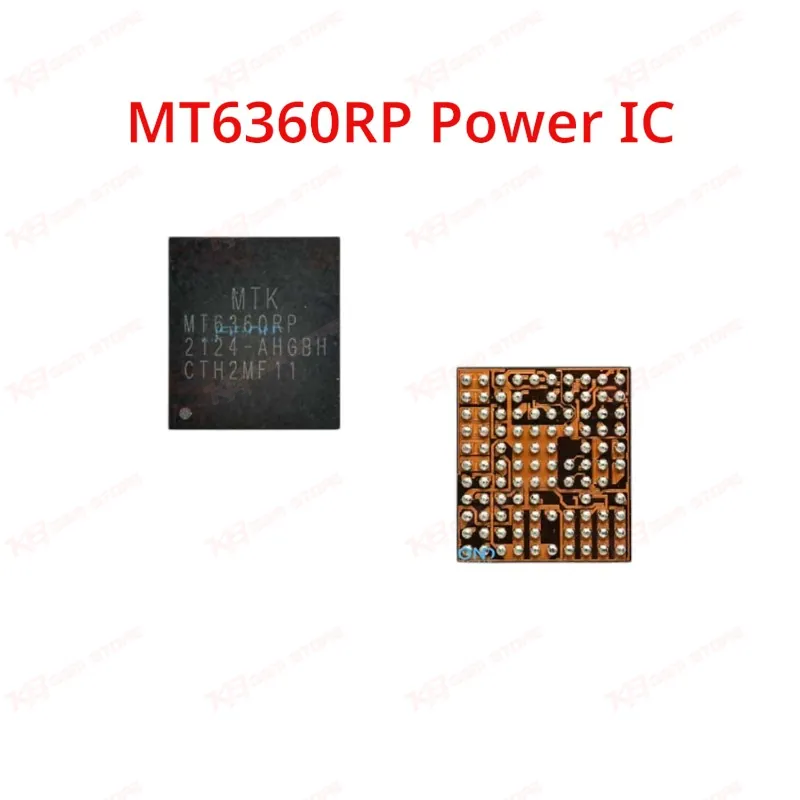
The MT6360RP is a MediaTek power management IC used as a direct replacement part for Redmi Note 8 Pro, Oppo Reno2, and Oppo Reno3 boards. When a phone won't power on, won't charge, or hangs on logo after a board-level fault, this IC is often the root cause. It handles battery charging and power delivery on the motherboard, so a damaged or shorted MT6360RP typically shows up as dead phone, charging issue, or unstable power rails. Order it as a tested replacement for your repair bench when diagnostics point to the power IC rather than the charging port or battery itself.
⚖️ Weight: 0.01 kg
SKU:MST-IC-256
- Safe & Secure Payment
- Fast Delivery
- WhatsApp Support


Description
FAQ
What is the product name?
The product name is MT6360RP Power IC.
What is the brand of this product?
The brand of this product is MediaTek.
What is the model of this product?
The model of this product is MT6360RP.
What is this product used for?
This product is used to replace a faulty power management IC on the motherboard, fixing dead phone, no-power, and charging issue faults.
Which devices are compatible with this product?
This product is compatible with Redmi Note 8 Pro, Oppo Reno2, and Oppo Reno3.
Who should use this product?
This product is suitable for mobile repair technicians, repair shops, service centers, and professional users.
Does the MT6360RP need reballing before installation, or does it come pre-balled?
It ships as a bare IC, so you need to reball it with a stencil or paste-based process before reflow unless your bench workflow solders it dead-bump.
How do I confirm the power IC is the fault before replacing it on a dead Redmi Note 8 Pro board?
Check the battery connector and power rails with a multimeter or bench power supply first — if you see a dead short or 0V with the charger and battery testing fine, the power IC is the likely cause.