


PM8940 Power IC
PM8940 Power IC
Regular price
Rs.250.00 PKR
Regular price
Sale price
Rs.250.00 PKR
Shipping calculated at checkout.
Quantity
Couldn't load pickup availability
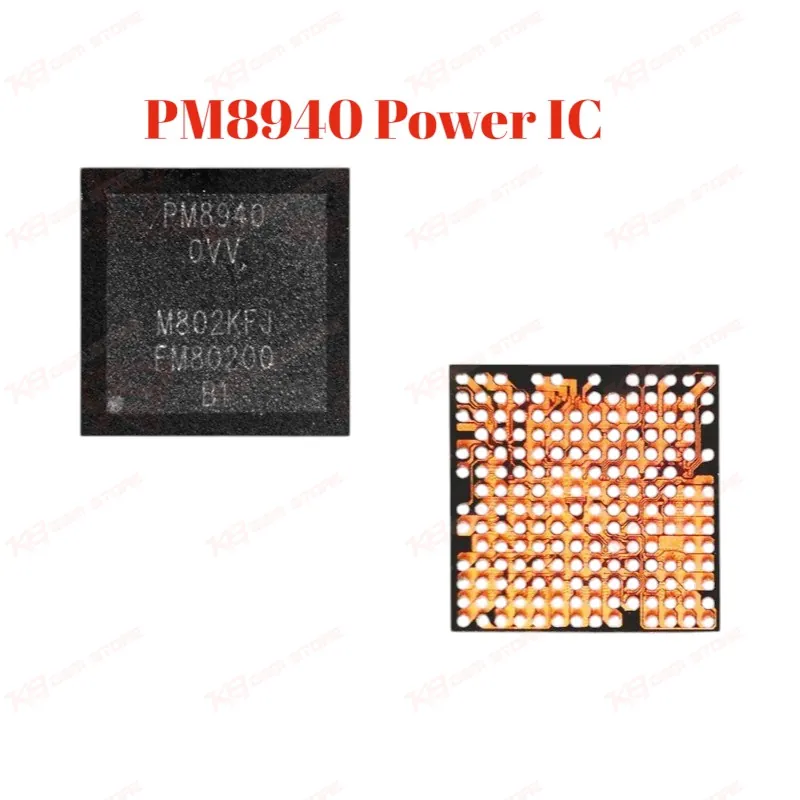
The PM8940 is a genuine Qualcomm power management IC (PMIC) used inside select Xiaomi Snapdragon-based handsets, including the Mi 5X and Redmi 4X. It handles voltage regulation, battery charging control, and power sequencing on the mainboard. When a phone shows dead-after-flash symptoms, charging issues, or fails to power on despite a good battery, this IC is one of the first suspects a GSM technician checks. Supplied as a BGA component, it is meant for reballing and direct board-level replacement on your repair bench, not for beginner-level soldering work.
⚖️ Weight: 0.01 kg
SKU:MST-IC-96
- Safe & Secure Payment
- Fast Delivery
- WhatsApp Support


Description
FAQ
What is the product name?
The product name is the Qualcomm PM8940 Power Management IC.
What is the brand of this product?
The brand of this product is Qualcomm.
What is the model of this product?
The model of this product is PM8940.
What is this product used for?
This product is used to replace a faulty power management IC on the mainboard, restoring correct voltage regulation, battery charging control, and power sequencing.
Which devices are compatible with this product?
This product is compatible with the Xiaomi Mi 5X and Redmi 4X.
Who should use this product?
This product is suitable for mobile repair technicians, repair shops, service centers, and professional GSM technicians experienced in BGA reballing.
Does the PM8940 require hot air reballing to install?
Yes, the PM8940 is a BGA component, so it must be removed and installed using a hot air rework station along with proper reballing technique rather than a standard iron.
Can the PM8940 fix a phone that shows dead-after-flash symptoms?
If the dead-after-flash fault traces back to the power management stage rather than corrupted software, replacing the PM8940 can resolve it, but voltage testing on the power rails should confirm the fault first.