Skip to product information
1 of 4

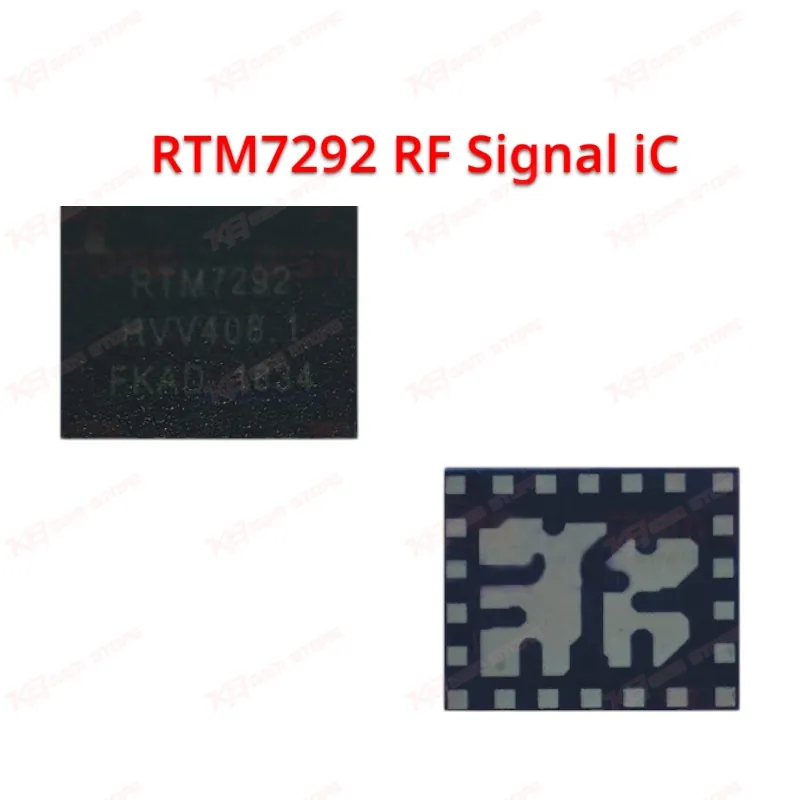
RTM7292 RF Signal iC

RTM7292 RF Signal iC

Regular price Rs.200.00 PKR
Regular price Sale price Rs.200.00 PKR
Sale Sold out
Shipping calculated at checkout.
Quantity

The RTM7292 RF Signal IC is a Murata-manufactured RF processor chip used in the network section of Android smartphones. Technicians reach for this IC when a board shows signal problems, network drop, no service, or weak signal after physical or liquid damage. Built in a QFN package with RoHS-compliant construction, it handles RX and TX signal processing between the antenna switch and the CPU. This is a component-level replacement part meant for BGA rework benches, not a plug-and-play accessory — proper reflow, alignment, and continuity testing after placement are needed for a stable network fix.

⚖️ Weight: 0.01 kg

SKU:MST-IC-357

  • Safe & Secure Payment
  • Fast Delivery
  • WhatsApp Support
View full details

Description

Network issues sit among the most common complaints a GSM technician handles daily — "no service," signal dropping in and out, network searching that never locks, or a phone that shows full bars but can't hold a call. In a large share of these cases, the fault traces back to the RF Signal IC sitting in the network section of the board. The RTM7292 is exactly that component: an RF signal processor manufactured by Murata, built to manage the transmit and receive path between the antenna switch and the baseband/CPU section.On the board, this chip sits close to the PFO and RF crystal, working as the bridge that converts signals for transmission and demodulates incoming signals for reception. When it fails — from a drop, liquid exposure, a static discharge, or a bad reflow during a previous repair — you typically see one of a few patterns on your bench: no network at all, "call end" or "call failed" errors, signal bars that don't match actual reception, or a phone that shows network searching non-stop. Reballing or swapping the RF IC resolves faults that survive a software reset, meaning the network fault stays present even after you've flashed or reset network settings — a strong sign the hardware itself needs replacing rather than the firmware.The RTM7292 comes housed in a QFN package, RoHS compliant, matching the physical footprint and pinout technicians expect from this RF IC family. Because it's a small-pitch QFN part, hot air rework needs a controlled temperature profile and a fine-tip nozzle — overheating the surrounding components on a tightly packed network section is the most common way a good chip gets ruined during placement. Use flux generously, keep your hot air station calibrated, and confirm reflow with a magnifier or microscope before powering the board back on.For a technician's workflow, this chip fits into board-level network repair after component-level diagnosis has ruled out software causes. If the phone shows a dead network fault after flash, or after a screen or battery replacement where static wasn't controlled, checking continuity around the RF section — including this IC — should be part of your fault-finding sequence. Pair this replacement with a hot air rework station, a good microscope for pad inspection, and a multimeter or diode-mode continuity check before and after placement to confirm the fault is actually isolated to the IC and not a broken trace or a cracked pad.This is a genuine component sourced for board-level repair work, not a bundled kit or tool — you're buying the chip itself for direct BGA/QFN rework. It's suited for repair shop owners doing daily network fault work, GSM software technicians who've already ruled out flashing issues, and hardware engineers doing board-level diagnostics on Android devices. Keep a few of these in stock if network complaints are a regular part of your workshop's ticket volume — RF section faults come in often enough that having the part on hand saves a same-day turnaround.As with any BGA-class rework, success depends more on your soldering discipline than the part itself — clean pads, correct paste or flux amount, and a controlled reflow profile matter as much as sourcing a genuine chip.

Key Features

Genuine Murata RF Signal IC for network section repair

QFN package matches standard RF IC footprint for direct rework

RoHS-compliant build for safe, standard soldering practices

Handles RX/TX signal processing between antenna switch and CPU

Suited for BGA-class hot air rework and reballing

Useful for isolating hardware faults from software/flash faults

Compact size fits tightly packed network sections without extra board modification

Sourced for professional repair bench use, not consumer self-repair

Specifications

Brand Entity Murata
Product Entity RTM7292 RF Signal IC
Technology Entity RF Signal Processing, QFN Packaging
Compatible Device Entities Android Smartphone Network Section (board-level, universal)
Repair Process Entity RF IC Reballing, BGA Rework, Network Fault Diagnosis
Industry Entity Mobile Phone Repair, PCB-Level Component Repair

Compatible Devices

Universal — not device-specific. This is a component-level RF signal IC used in the network/RF section of various Android smartphone boards; exact device-model compatibility depends on the board's original RF IC footprint and should be confirmed against the donor board before rework.

Common Repair Uses

RF/network IC replacement for no-service and no-network faults, weak or fluctuating signal after liquid or drop damage, "call end"/"call failed" errors that persist after a software reset, and board-level network section rework following static or reflow-related damage.

FAQ

What is the product name?
The product name is RTM7292 RF Signal IC.
What is the brand of this product?
The brand of this product is Murata.
What is the model of this product?
The model of this product is RTM7292.
What is this product used for?
This product is used to repair network and signal faults in the RF section of a mobile phone's board.
Which devices are compatible with this product?
This is a universal, board-level RF Signal IC used across various Android smartphone network sections; exact fitment depends on the donor board's original RF IC footprint.
Who should use this product?
This product is suitable for mobile repair technicians, repair shops, service centers, and professional board-level repair users.
Does replacing the RTM7292 fix a "no network" fault that survives a flash or reset?
Yes — if a network fault stays after a full software flash and reset, it typically points to a hardware fault in the RF section, and replacing this IC addresses that scenario.
What tools are needed to replace the RTM7292 IC?
A hot air rework station with a fine-tip nozzle, flux, and a microscope for pad inspection are needed for safe QFN removal and reflow.

Ask any Query